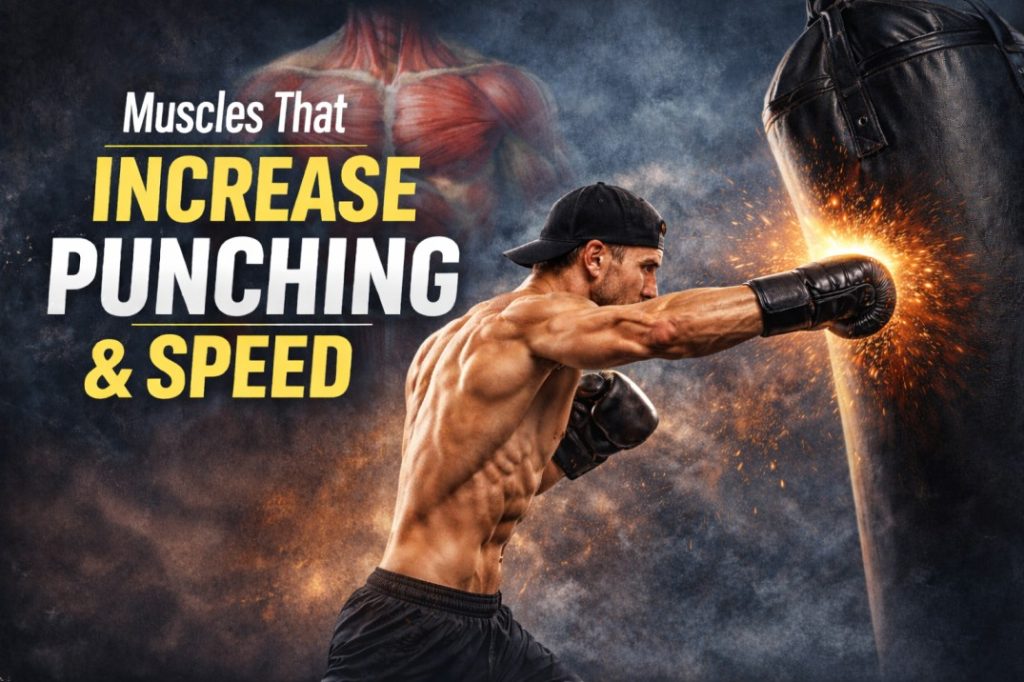
How Punching Power and Speed Actually Improve
A lot of people assume punching power comes from strong arms. In reality, arms just deliver the punch — they don’t create most of the power.
In this guide, we break down the muscles that increase punching power, explain how they contribute to both power and speed, and show what you actually need to train
Real punching power starts at the ground. Your feet push into the floor, your legs and hips drive the movement, your core rotates, and your upper body finishes the job. When all of that lines up, the punch feels fast and heavy without needing extra effort.
This is also why two people who lift similar weights can punch very differently. The one who moves better and creates force faster usually hits harder.
Why Explosive Training Transfers Better Than Heavy Lifting
Building strength helps, but punching isn’t slow. A punch happens in a split second, so training needs to reflect that.
Explosive movements — things like jumps, medicine ball throws, or resistance-based punching drills — train your body to produce force quickly. That speed is what carries over to punching power and hand speed. Heavy lifting builds the base. Explosive work teaches you how to use it.
Now with that out of the way here are the muscles you actually have to train for building that raw strength and speed
Muscles That Increase Punching Power (and Why They Matter)
Shoulders
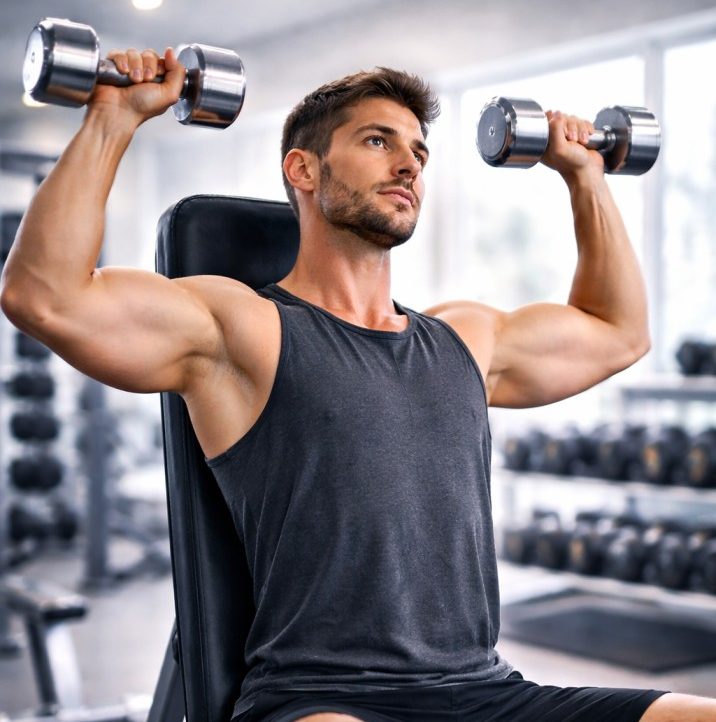
The shoulders are a no-brainer when it comes to increasing both your punching power & speed. Training these muscles that increase punching power not only builds force but links strength with the speed of delivery your body needs. Why? Since the greater the force applied to an object, the faster it will move. However, the more mass an object has. The more force is required to accelerate it.
The force required here is mainly performed by two major muscle groups, one from the ground up through your legs and then it’s delivery and speed depends majorly on your shoulders. The speed of a punch comes from the shoulder and, since the faster a punch is, the faster it lands, the harder it hits. Training your shoulders is a crucial step when it comes to increasing your punching power and speed.
The overhead shoulder press is an excellent exercise when it comes to building both boulder-like shoulders as well as increasing your punching power.
Another excellent exercise is the rear delt row as it not only trains your most undertrained rear delts but your back muscles as well.
For a descriptive explanation of shoulder exercises that you can do to maximize shoulder strength and muscle and how to do them. Top shoulder workouts
Back
The back muscles are just as important when it comes to punching power and speed. A strong back supports the pull and rotation that help your body coordinate the muscles that increase punching power for both impact and recovery. The speed at which you can recover a punch and strike again matters. The speed of pulling back a punch depends on how strong your back is. The back plays an important role in every single movement that is related to pushing or pulling, so it makes sense that it will have a significant impact on your punching power and how fast a punch lands and recovers. Here are some of the back exercises that you can add to your workout regime to do just that.
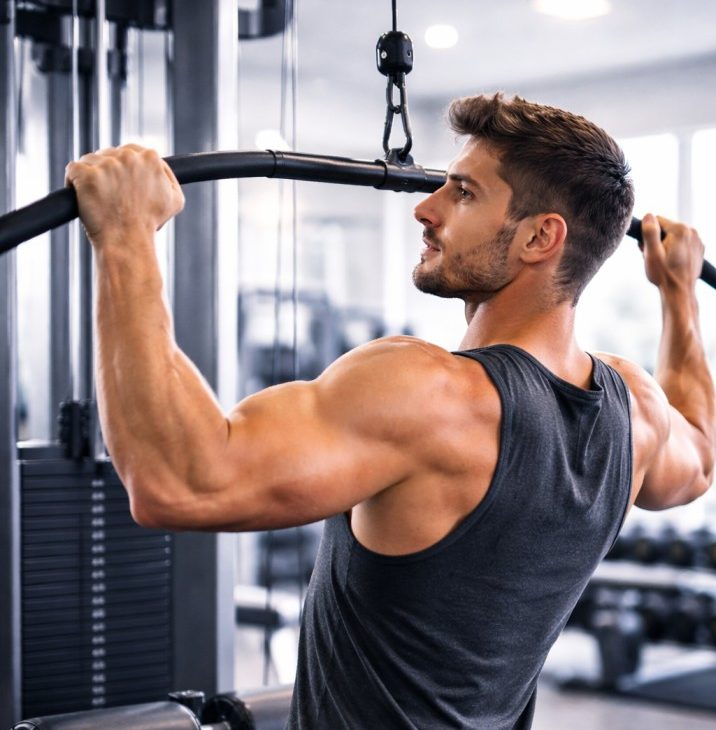
The lat pull down
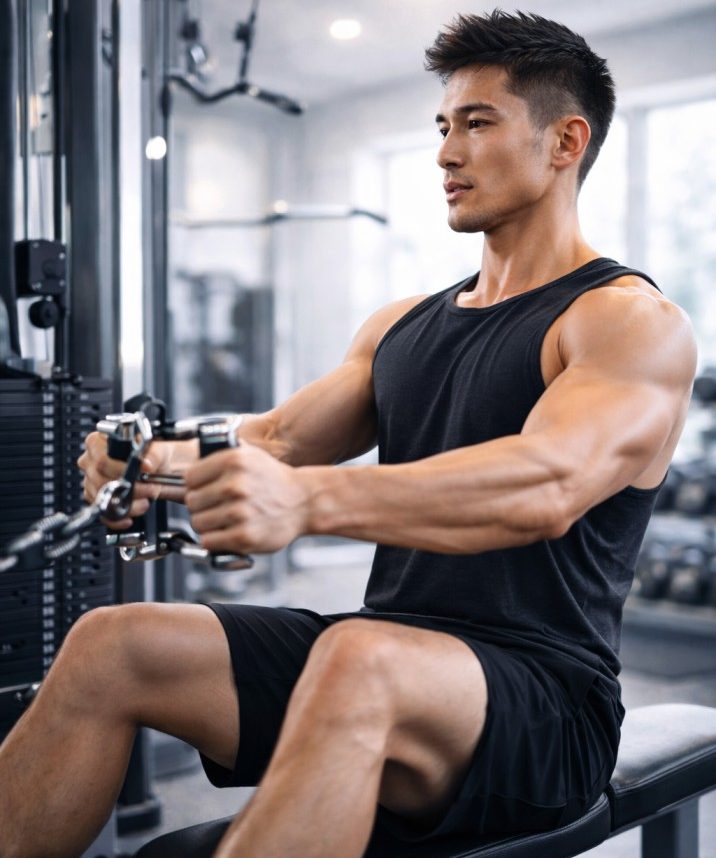
Seated rows
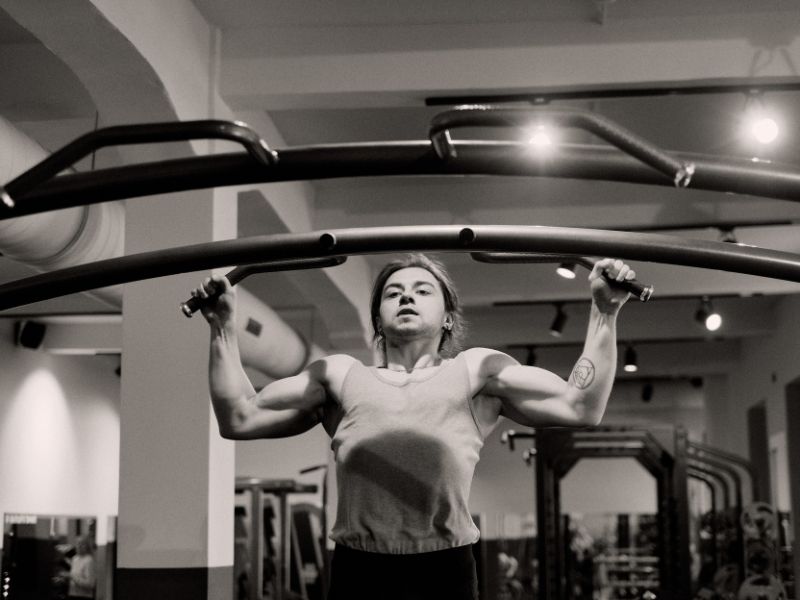
Wide grip pull-ups
The pull-ups, specifically wide group pull-ups, are an amazing exercise when it comes to building a powerful back and stronger shoulders. As it targets your back, shoulders, core as well as your triceps. Almost all of these muscle groups are responsible for how fast and strong your punches land.
Core
The core is responsible for both how much power you are able to transform from the ground up to your back. Because the core transfers force from the legs up through the torso, it is one of the most critical muscles that improve punching power and speed. The force and speed with which you are able to rotate your core is crucial when it comes to landing punches harder and faster. The explosiveness of a punch depends on how fast you are able to rotate your core. The core needs to be tense while landing a punch as well as the force can get absorbed by the arm during impact if your core is tensed up while landing the punch. Hence, another reason why the wide-grip pull up is another excellent exercise as mentioned above.
Here are some ways you can train your abs
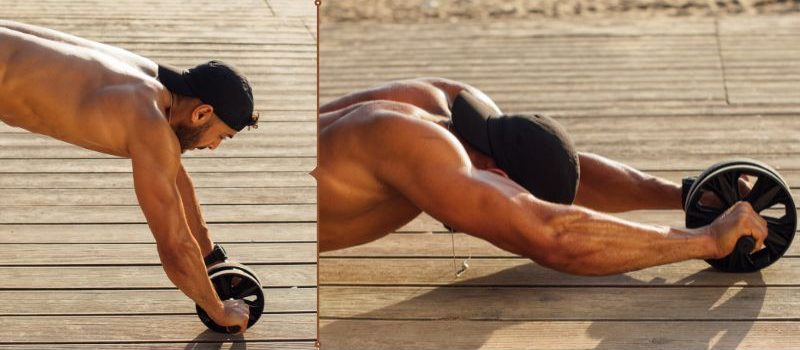
- Get an ab roller and do wheel crunches with proper form, as that is an excellent way to engage your core. if done properly, wheel crunches are quite difficult to perform as they engage your entire core.
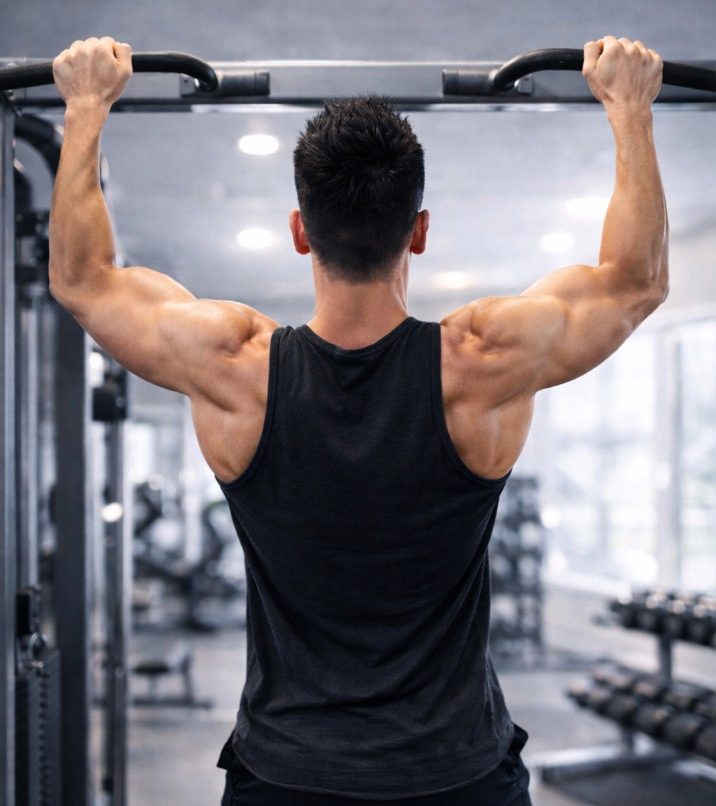
- Get a pull-up bar if at home and do hanging crunches and hanging leg raises on it. The effect on your core in this exercise is maximum as well. The force of gravity from the ground up acts as resistance for your entire core, allowing you to progressively overload your core just like you would any other muscle.
- Get a dumbbell and do dumbbell crunches to add more resistance to your crunches to progressively overload your core.
Legs
The driving force for a punch comes from the ground. Strong legs are foundational for the muscles that increase punching power, generating force you can rotate into a punch. Having strong legs can increase your punching power significantly, as you are able to get more force standing while sitting down. Try hitting something while sitting vs standing and observe the difference the legs make when landing a blow. The primary leg muscles that you should train are your glutes and quads, as they are majorly responsible for both producing more force as well as rotating your body when landing a punch.
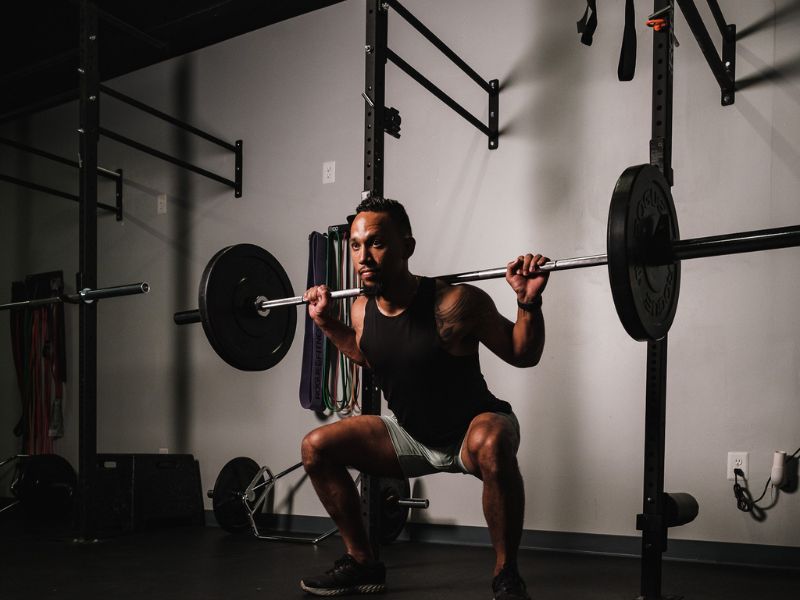
Squats
Compound movements like squats are a great exercise as it trains your core, glutes, quads all in just one movement. The more progressive overload you add to this exercise. The stronger these muscles get, the more force you are able to produce.
Leg press
The leg press is another exercise that trains your front quads, glutes and hamstrings. All of which contribute to increasing punching power and speed.
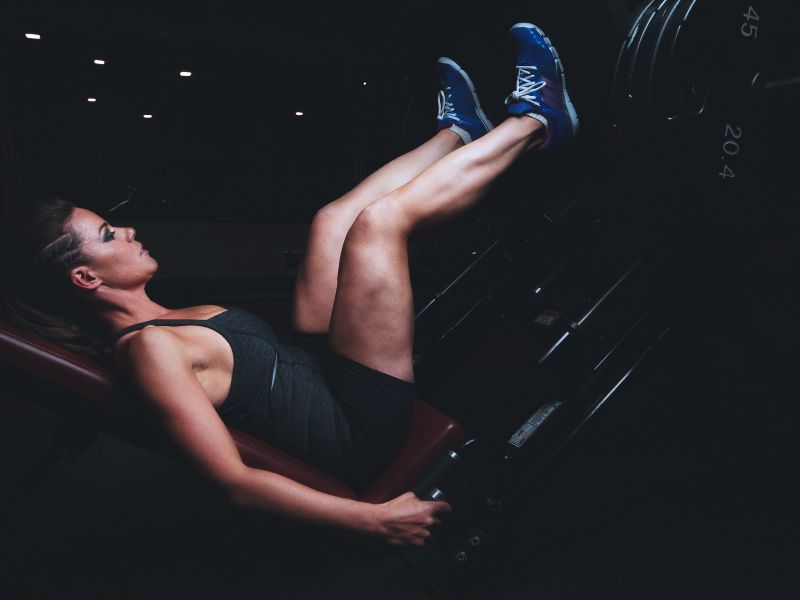
For a list of Leg exercises and how to perform them. Click here
Focusing on training the muscles that increase punching power — shoulders, back, core, and legs — will give you both speed and power you can feel.
Technique Matters More Than Most People Think
- Even strong athletes lose power with poor technique. Small things like foot position, hip rotation, or shoulder timing can make a big difference.
- Another thing people overlook is tension. Staying relaxed until the moment of contact helps punches move faster and land cleaner. Too much tension slows everything down
- This is why good technique often beats raw strength when it comes to punching speed and impact..