
If you’re using a GLP-1 prescription such as Ozempic, Wegovy or Mounjaro to lose weight, you’re seeing the benefit most people talk about first: reduced appetite and steady weight loss. That’s a real win — but it brings a practical question many don’t plan for: how do you preserve muscle while losing weight on these drugs?
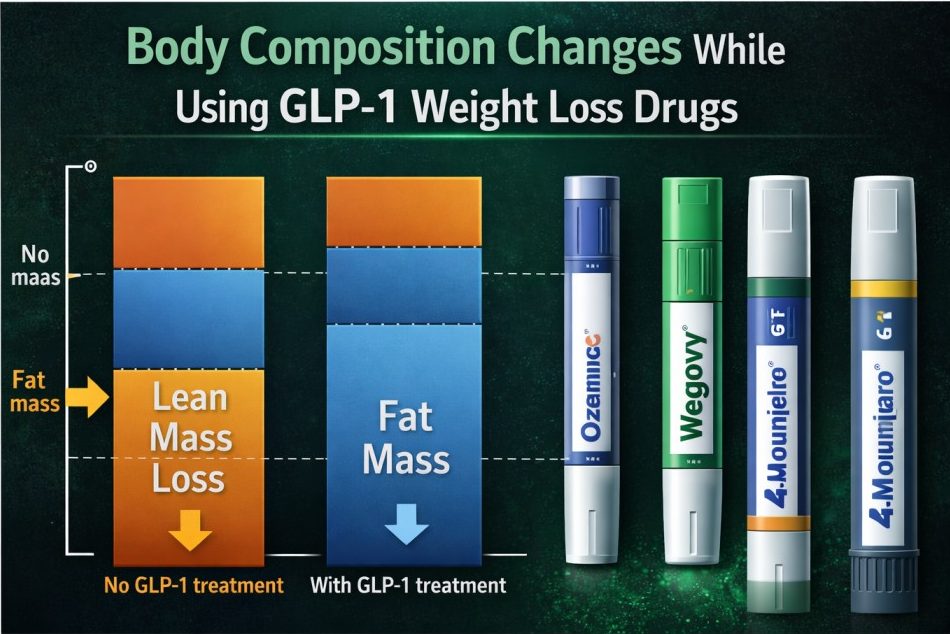
Clinical reports and recent reviews show that GLP-1 medications (semaglutide, tirzepatide and peers) reliably reduce body weight, but part of that loss can include lean mass unless steps are taken to protect it. This lean-mass loss appears largely driven by eating less and by reduced mechanical stimulus — not because the drugs “destroy” muscle. In plain terms: if you’re eating less and not challenging your muscles, your body can shed muscle along with fat.
The good news is that muscle preservation is straightforward and evidence-based: prioritize resistance training, prioritize protein both in total and per meal, avoid extreme calorie deficits, and monitor strength and function rather than only the number on the scale. These principles are practical, adaptable to low appetite states, and used by clinicians and trainers to protect lean mass during rapid weight loss.
Below I’ll summarize the research context, explain why muscle loss happens on GLP-1 therapies, and provide a clear, immediately actionable plan — exercises, protein targets, meal strategies, and monitoring tips — so you can keep strength and keep the gains while benefiting from the medication. If you’re starting a GLP-1 or already on one, this guide is the practical, step-by-step resource you’ll want to bookmark.
Why Muscle Loss Happens on GLP-1 Medications
Muscle loss during GLP-1–assisted weight loss is not caused by the medication directly. In most cases, it happens because of the conditions the body is placed under while using it.
GLP-1 drugs significantly reduce appetite, which often leads to a sharp drop in calorie intake. When total energy intake falls quickly and resistance training is reduced or inconsistent, the body adapts by conserving energy. One way it does this is by shedding metabolically expensive tissue — including muscle.
At the same time, many people unintentionally reduce training intensity or frequency while on GLP-1s due to lower energy levels. Without sufficient mechanical stimulus from resistance training, the body has little reason to preserve muscle tissue.
In simple terms, muscle loss occurs when three things happen together: reduced calories, reduced protein intake, and reduced training stimulus. GLP-1 medications make the first factor very effective, which means the other two must be addressed deliberately to protect lean mass.
How do I keep muscle while on GLP-1 medication?
Protect lean mass by pairing GLP-1 use with consistent resistance training, adequate protein (roughly 1.0–1.5 g/kg/day adjusted for activity), even protein distribution across meals, moderate calorie pacing, and monitoring strength — not just scale weight.
Evidence-Backed Steps to Preserve Muscle
1) Prioritize resistance training (2–4 sessions/week)
Aim for 2–4 focused strength sessions per week emphasizing progressive overload (increase weight, reps, or sets gradually).If upper-body training is part of your routine, structured movements like these biceps exercises for bigger arms help maintain training intensity and muscle stimulus while on GLP-1 medication.
Prioritize compound lifts and include 1–2 accessory moves for major muscle groups; if appetite is low, keep sessions 30–45 minutes with high intent. Resistance training is the most effective signal to retain and build muscle.
2) Target protein — total and per meal
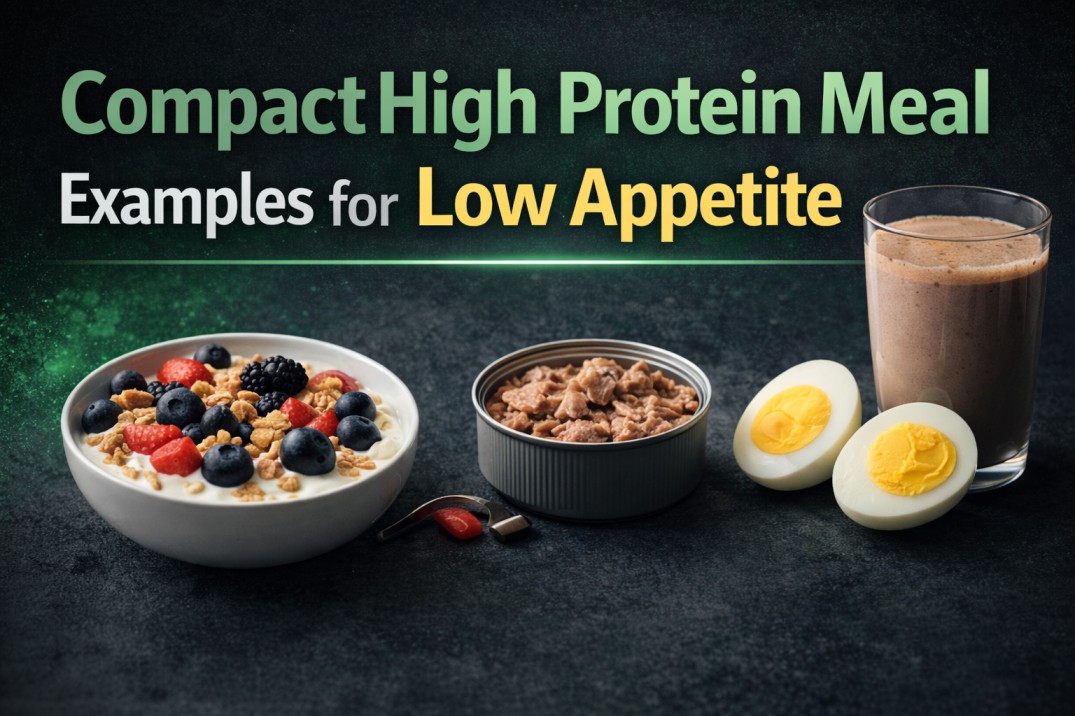
Aim for approximately **1.0–1.5 g of protein per kg of body weight per day**, adjusted for activity and tolerance. When appetite is reduced, prioritize 20–30 g of high-quality protein per eating occasion (e.g., Greek yogurt, eggs, canned fish, protein shakes). Distribute protein evenly across meals rather than one large serving.
3) Avoid extreme calorie deficits
Severe energy restriction accelerates lean mass loss. Use moderate deficits and focus on preserving protein and training capacity. If rapid weight loss is desired, increase protein and training stimulus proportionally.
4) Use nutrient-dense, easy-to-consume options
When appetite is low, choose compact, protein-rich foods such as Greek yogurt, eggs, tinned fish, and shakes. Many of these overlap with the top 10 best foods to lose weight, making them ideal for fat loss without sacrificing muscle.
5) Monitor strength and function, not just scale weight
Track key lifts, set PR targets, or use functional tests (e.g., sit-to-stand, timed carry). If strength drops, prioritize training/nutrition before cutting more calories. Consider periodic body composition testing if available.
6) Prioritize recovery
Sleep, stress management, and periodized training reduce catabolism. When caloric intake is low, recovery matters more: aim for 7–9 hours sleep, and reduce non-essential high-intensity cardio if training capacity drops.

7-Day Mini Plan (This is just a sample plan yours’s could be different)
Training (3 days):
- – Day 1 — Full-body strength (squat or goblet squat, bench or push-up, bent row, plank) — 3 sets × 6–10 reps.
- Day 3 — Upper focus (overhead press, pull, single-leg RDL/band) — 3 sets × 8–12 reps.
- Day 5 — Lower/compound (deadlift variation/goblet, lunges, core) — 3 sets × 6–10 reps.
(Keep sessions 30–45 min; focus on progressive overload.)
Nutrition (daily):
- Breakfast: Greek yogurt + berries + 20–25 g protein (e.g., scoop protein)
- Snack: tinned tuna or cottage cheese (15–20 g protein)
- Lunch: Lean protein + veg + modest carbs (25–35 g protein)
- Snack: Protein shake or hard-boiled eggs (15–25 g protein)
- Dinner: Fish/chicken/tofu + veg + healthy fat (25–35 g protein)
Adjust calories moderately to target a sensible deficit (e.g., 250–500 kcal/day) while maintaining protein target.
When to Talk to Your Doctor
Contact a healthcare provider if you experience extreme fatigue, dizziness, falls, rapid loss of strength or mobility, or other concerning symptoms. Discuss any medication changes with your prescriber before altering dose or stopping. If you have complex health conditions, get individualized guidance.
Frequently Asked Questions
Will GLP-1 drugs always cause muscle loss?
Not always. Lean mass loss can occur as part of rapid weight loss, but the extent depends on diet, training, and the size of the calorie deficit. Muscle can be preserved with appropriate steps.
How much protein should I eat on GLP-1s?
Aim for roughly 1.0–1.5 g/kg/day depending on activity; prioritize 20–30 g protein per meal when possible.
Can I still build muscle while taking Ozempic or Wegovy?
Yes — particularly if you maintain resistance training and adequate protein. Building muscle may be slower during a calorie deficit, but strength can be preserved and modest gains possible.
When should I measure body composition?
Use baseline and periodic checks (every 6–12 weeks) if possible, or track performance metrics as a practical proxy.
If you’re using a GLP-1 medication and want a personalized plan, check our lean body guide and protein resources for meal ideas and training templates: how to get a lean toned body.